

Tania Martins’s dissertation on safety culture and psychosocial working conditions in home care
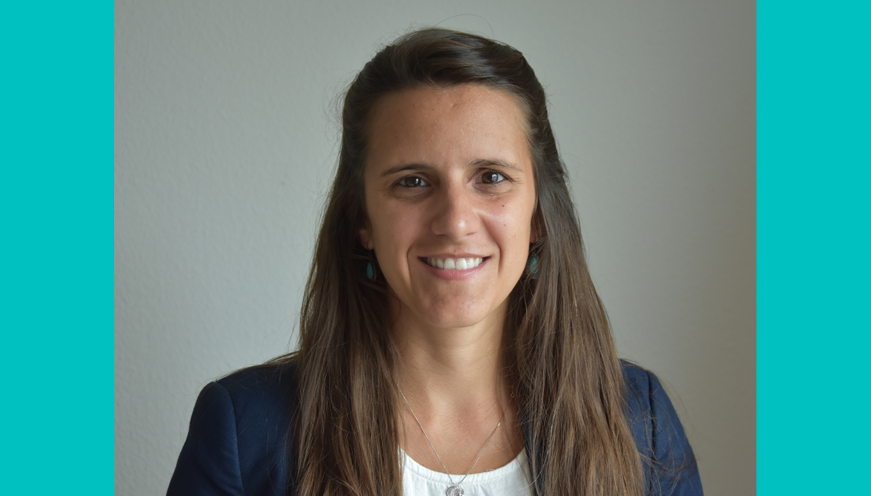
Tania Martins’s dissertation had the overall goal of assessing patient safety culture and psychosocial working conditions in Swiss home care and examining how they are associated with client and employee outcomes. The dissertation was embedded in the SPOTnat (home care coordination and quality – a national study) and SATURN (Safety culture in home care) projects. The results highlight the potential benefits of improving safety culture and psychosocial working conditions for both client and employee safety.
The provision of home care is increasing in both demand and complexity. Home care work environments are often more unpredictable, less organized, and less controlled than institutional settings. Moreover, home care employees work mostly alone in clients’ homes, with limited access to equipment and support from other professionals, and under increased time pressure. These challenges may compromise the safety and health of both clients and employees. Given the relevance of safety culture for quality of care, and of safe workplaces as a social determinant for health, in the retention of healthcare workers, and patient safety, it is important to assess safety culture and home care workers’ psychosocial working conditions to develop strategies for improvement.
In a first step, this dissertation summarized how patient safety culture has been measured in home care, as well as the related factors and outcomes that have been examined. As only a few studies have analyzed safety culture in home care and no instrument specifically targeted to the home care setting was identified, the second step involved adapting an instrument to measure safety culture in home care and examining its psychometric properties. In a third step, the dissertation assessed how patient safety culture and psychosocial safety climate are related to client safety, the reporting of safety events, psychosocial safety, and job satisfaction. Finally, it determined the prevalence of burnout and back pain and assessed how these outcomes are associated with the psychosocial work environment of home care employees.
The findings showed that home care employees in Switzerland report a high prevalence of back pain and burnout, both of which were associated with organizational factors such as workload. In addition, a stronger safety culture was associated with better safety and quality of care. Overall, the results of this dissertation underscore the importance of monitoring safety culture and psychosocial working conditions, as they may play a crucial role in both client safety and employee health. While many existing strategies primarily focus on individual-directed interventions to address work-related health issues, this dissertation highlights the key role of organizational factors. Therefore, strategies for improvement should be multifaceted and directed at different levels.